How Online Communities Are Bringing People Together
 admin@BotanicalEase.com
The internet has changed the way people communicate, share interests, and build relationships. A person no longer needs to live in the same neighborhood or attend the same local event to find people who share their interests. Online communities make it possible to connect with others based on hobbies, games, creative projects, professional interests, and everyday experiences.
From gaming groups and discussion forums to private communities and social platforms, online spaces have become an important part of modern digital life.
What Is an Online Community?
An online community is a digital space where people interact around a shared interest, activity, goal, or experience.
Some communities are large and open to anyone. Others are smaller and require an invitation or registration.
A community might focus on a particular video game, photography, gardening, cooking, technology, music, fitness, or another interest. The topic itself is often less important than the shared reason that brings people together.
Unlike traditional social networks, many online communities are built around a specific purpose. Members are usually there because they want to learn, participate, communicate, or create something.
Why People Join Online Communities
People join online communities for many different reasons.
Some are looking for information. Others want advice from people with similar experiences. Many simply want to meet people who enjoy the same hobbies.
For someone who is interested in a relatively specialized subject, finding a local group may be difficult. The internet makes it possible to connect with people around the world who have the same interests.
This can make hobbies feel more engaging.
A person learning photography, for example, can share images with other photographers, receive feedback, discover new techniques, and participate in creative challenges.
Gamers can discuss strategies, organize multiplayer sessions, and build long-term friendships.
Gaming Communities
Gaming is one of the clearest examples of how online communities bring people together.
Modern multiplayer games allow players to cooperate and communicate in real time. Communities can develop around individual games, servers, tournaments, or specific play styles.
Some groups are casual and focus primarily on having fun. Others are highly organized, with administrators, moderators, scheduled events, and community guidelines.
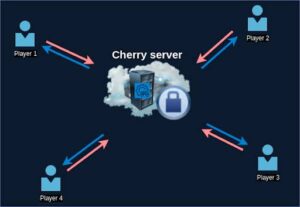
Dedicated game servers can also become the center of a community.
A server may provide a shared environment where members play regularly, communicate with each other, and develop their own traditions. Server administrators can sometimes customize settings, manage access, install supported modifications, and create rules designed for their particular community.
The Importance of Community Rules
A healthy online community usually needs clear expectations.
Rules can cover communication, behavior, cheating, harassment, advertising, privacy, and other issues that may affect members.
The purpose of rules is not to make a community overly restrictive. Instead, clear guidelines can make it easier for people to understand what is expected.
Moderators and administrators also play an important role. They may respond to disputes, remove inappropriate content, manage permissions, and help new members understand how the community works.
Smaller communities can sometimes operate with a simple set of guidelines, while larger communities may need more structured moderation.
Communication Tools
Online communities can use many different communication tools.
Text channels are useful for announcements, questions, and discussions. Voice communication can make gaming sessions more interactive. Video calls can support meetings, events, workshops, or collaborative projects.
Some communities also maintain websites, forums, newsletters, or knowledge bases.
Using different communication channels allows members to participate in ways that suit them.
Not everyone wants to participate in live conversations. Some people prefer reading discussions and responding when they have time.
Building a Welcoming Environment
A successful community is not simply about having many members.
A smaller community with active and respectful participants can often be more valuable than a large group where people rarely interact.
New members should be able to understand how the community works without feeling lost.
Simple introductions, welcome messages, frequently asked questions, and clearly organized channels can make the first experience easier.
Community leaders can also encourage members to share knowledge rather than allowing a small number of people to dominate every conversation.
Online Communities and Hobbies
Gaming is only one example.
People build online communities around almost every imaginable hobby.
Gardeners can discuss plants and growing techniques. Photographers can share images and equipment advice. Travelers can exchange destination ideas. Home cooks can discuss recipes. Technology enthusiasts can compare software and hardware.
These communities can provide a useful combination of education and social interaction.
Someone who is just beginning a hobby can learn from experienced members, while experienced participants can discover new ideas from beginners.
Creating Your Own Community
Creating an online community does not necessarily require a large budget.
The first step is identifying a clear purpose.
Instead of creating a general community with no specific direction, define what members will have in common.
For example, a community might focus on a particular game, a creative hobby, or a specific type of project.
Next, choose an appropriate platform. The platform should provide the communication and management features your members actually need.
If the community is based around multiplayer gaming, a dedicated game server may become an important part of the experience.
Choosing a Server for a Gaming Community
When a gaming community becomes more active, server infrastructure can become increasingly important.
A suitable server should provide enough resources for the expected number of players and support the specific game and modifications being used.
Server location is another consideration. If most community members live in one geographic region, choosing a nearby server location may help provide a more responsive experience.
Hosting providers such as Godlike.Host can be evaluated based on factors including supported games, server locations, available resources, management tools, and pricing.
The right solution depends on the size and requirements of each community.
Privacy and Safety
Online communities also need to consider privacy.
Members should avoid sharing unnecessary personal information publicly. Administrators should carefully manage permissions and limit access to sensitive information.
Community members should also be cautious when clicking unfamiliar links or downloading files from unknown sources.
Basic account security practices, such as strong passwords and multi-factor authentication where available, can help protect accounts.
For community administrators, regular backups and appropriate access controls can provide additional protection.
Keeping Members Engaged
A community needs ongoing activity to remain useful.
Regular events, discussions, challenges, announcements, or collaborative projects can give members reasons to return.
Gaming communities might organize tournaments or special game nights. Creative communities can host challenges or showcases. Educational groups might schedule discussions or workshops.
The goal is to create opportunities for participation rather than simply posting content continuously.
The Future of Online Communities
Online communities will likely continue to evolve as communication technology develops.
Improved voice and video tools, virtual environments, gaming platforms, and collaborative software may make online interaction increasingly immersive.
However, the fundamental reason communities work is unlikely to change.
People want to share experiences with others who understand their interests.
Technology provides the infrastructure, but people create the community.
Final Thoughts
Online communities have become an important part of modern digital life because they make it easier to find people with shared interests.
Whether the community is centered around gaming, technology, creative hobbies, or everyday interests, a successful group depends on clear communication, respectful behavior, useful content, and consistent participation.
For gaming communities in particular, reliable server infrastructure can provide the foundation for regular multiplayer experiences. Choosing appropriate hosting, establishing clear rules, and creating opportunities for members to participate can help turn a collection of players into an active community.
The internet may connect millions of people, but strong communities are still built through the same basic principles: shared interests, communication, trust, and participation.